Stethoscope Types for Clinics: 3 Classes and How to Assign Them

Clinics need three stethoscope classes, not one. Acoustic stethoscopes handle routine monitoring, cardiology-grade acoustic models cover diagnostic work where subtle sounds matter, and electronic or digital stethoscopes step in when amplification, recording, or telehealth are part of the job. A literature review on stethoscope advancements and Cleveland Clinic both back this three-tier split, and medical supply vendors typically stock across all three so clinics can build a fleet instead of settling for one instrument.
TL;DR:
Most clinics should equip their staff with a mix of mid-tier acoustic models for routine exams and a few cardiology-grade units for diagnostic-heavy roles.
Electronic stethoscopes are valuable in loud environments like emergency departments or for clinicians with hearing impairments, providing amplified and filtered sound.
Digital stethoscopes enhance remote diagnostics by enabling recording, waveform visualization, and transmission for telemedicine or AI analysis, though they require additional software and data management.
Choosing the right stethoscope depends on specific role needs, environment noise levels, and budget, with most clinics benefiting from a layered fleet rather than a single type.
Proper maintenance, routine disinfection, and understanding vendor warranty and lead times are key for long-term cost efficiency and reliable clinical use.
Table of Contents
What Actually Separates the Stethoscope Types Clinics Buy
The differences come down to how sound travels from a patient’s chest to a clinician’s ear. An acoustic stethoscope moves sound mechanically, through air columns inside hollow tubing, with no electronics involved at any point. An electronic stethoscope picks up that same sound with a sensor, then boosts it electronically before it reaches the earpieces. A digital stethoscope goes a step further: it converts sound into a digital signal that can be recorded, displayed as a waveform, or sent somewhere else entirely.
Chestpiece design and tubing quality shape how faithfully any of these three types reproduce sound. A denser diaphragm and tighter tubing seal generally preserve higher frequencies (the whooshing and clicking sounds), while looser fittings or cracked tubing let ambient noise leak in and dull the signal. This matters more than most buyers assume in busy triage bays or ambulance bays where background noise competes directly with heart and lung sounds.
For clinicians with hearing impairment, mechanical amplification has real limits. Electronic and digital models with active filtering can isolate a heartbeat from surrounding chatter in ways a standard acoustic chestpiece simply cannot.
A few technical points worth keeping in mind when comparing manual vs digital stethoscopes for a clinic order:
Acoustic models have no batteries, no software, and nothing to charge, which keeps failure points low.
Electronic models amplify sound but usually still route it through a traditional-feeling headset.
Digital models add signal processing, so they can filter background noise algorithmically rather than just amplify everything indiscriminately.
Frequency response varies most at the chestpiece and diaphragm, not at the earpiece, so a worn diaphragm hurts sound quality more than most staff realize.
Acoustic Stethoscopes: The Clinic Workhorse
Acoustic, or analogue, stethoscopes remain the default for a reason: they are cheap to stock in volume, need no charging, and hold up under daily rotation better than any powered device. Cleveland Clinic still calls them the mainstay for routine exams, and for good reason. Most patient encounters in a general clinic do not require detecting a faint gallop or a third heart sound. They require a reliable read on rate, rhythm, and obvious abnormalities, and a well-made acoustic model does that without complication.
The single head vs dual head stethoscope decision is where a lot of buyers get confused. A single-head chestpiece has one surface, usually a large tunable diaphragm that shifts between low and high frequencies depending on how hard the clinician presses. A dual-head chestpiece gives you a separate bell side for low-frequency sounds (think abdominal bruits or certain heart murmurs) and a diaphragm side for higher-frequency lung and bowel sounds. Dual-head units cost more and weigh more, but they give a broader range in one instrument. Tunable single-head diaphragms have closed much of that gap, which is why many general practices now buy single-head models almost exclusively.
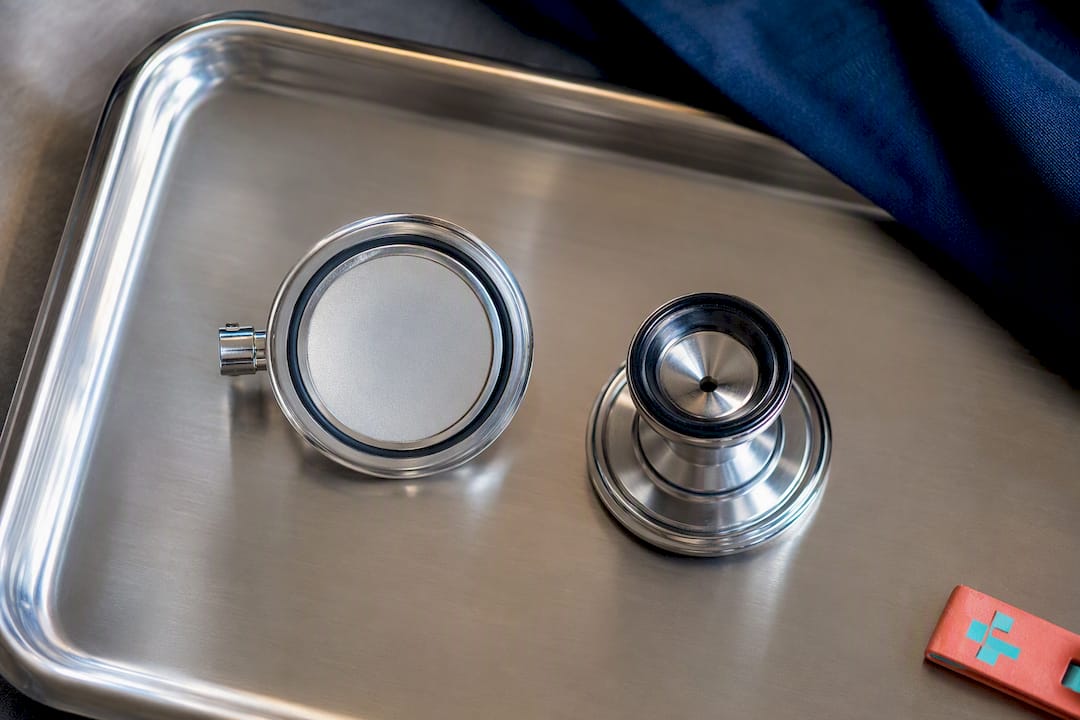
Tubing matters more than most buyers budget for. Single-lumen tubing (one internal channel) is common on entry-level models and tends to pick up more rustling noise as the tube brushes against clothing. Dual-lumen tubing separates the two sound paths, which cuts down on that friction noise and generally holds acoustic quality longer as the tubing ages.
Here’s how to think about the buy:
Entry-level acoustic models work for general screening, vitals checks, and high-volume outpatient visits where speed matters more than nuance.
Mid-tier acoustic models with tunable diaphragms and dual-lumen tubing suit primary care physicians and nurse practitioners doing full exams.
Premium acoustic models close the gap toward cardiology performance without the price of a true cardiology instrument, useful for internal medicine or urgent care.
On lifespan and pricing, buyer guidance from nurse-focused sources points out that a well-built high-performance model can serve a clinician for 10 to 15 years before acoustic quality noticeably degrades, assuming reasonable care. Budget models will wear out tubing and diaphragms faster, so factor replacement parts into total cost, not just the sticker price.
Pro Tip: If your staff regularly takes manual blood pressure over a stethoscope tucked under a cuff, skip the bulky dual-head chestpiece for that role. A slim single-head tunable diaphragm slides under a cuff far more easily and speeds up triage without sacrificing the accuracy that routine BP checks actually need.
Electronic Stethoscopes: When Amplification Earns Its Keep
Electronic stethoscopes solve a specific problem: sound that gets lost. In a loud ED bay, over a crying pediatric patient, or for a clinician with any degree of hearing loss, mechanical acoustic transmission alone can miss what matters. Electronic units use a sensor at the chestpiece to pick up sound, then amplify it, often with adjustable volume and some form of ambient noise filtering, before delivering it through the earpieces.
Most electronic models on the market share a common feature set:
Adjustable amplification, often up to several times louder than an acoustic stethoscope’s natural output.
Some form of noise reduction or filtering to suppress rustling, talking, or equipment hum in the background.
A headphone jack option on higher-end units, letting a second clinician listen in during teaching rounds.
Rechargeable or replaceable batteries, which introduces a maintenance line item acoustic stethoscopes never require.
The evidence for electronic performance is genuinely encouraging. Clinical comparisons cited in the PMC literature review found electronic devices delivered superior sound quality in roughly 65% of patients tested in a clinical sample. That is not a universal win across every patient and every condition, but it is a meaningful signal that amplification helps often enough to justify stocking a handful of units.
The trade-offs are real, though. Batteries die at inconvenient moments, units generally cost several times more than acoustic equivalents, and any electronic device has more parts that can fail. Some clinicians also find the amplified sound takes adjustment, since it emphasizes different frequency ranges than what they trained their ear on with acoustic models.
Where electronic units earn their place: emergency departments and ICUs where ambient noise is constant, and for any clinician managing hearing loss who needs amplification to do the job safely and confidently. A small dedicated fleet, rather than a full staff-wide swap, tends to be the most sensible procurement approach.
Digital Stethoscopes and the Telemedicine Connection
Digital stethoscopes turn auscultation into data. Beyond amplifying sound, they convert it into a digital signal that can be recorded, displayed as a visual waveform, stored, or transmitted to another provider entirely. That single shift, from sound-in-the-moment to sound-as-data, is what makes digital models relevant to clinics running any kind of remote care.
Typical digital stethoscope features include:
Recording and playback, so a clinician can capture a heart sound and review it later or share it with a specialist.
Waveform visualization on a connected screen or app, useful for teaching and for spotting patterns a human ear might miss on a first pass.
Bluetooth or USB connectivity for transferring recordings into an electronic health record or a colleague’s device.
Cloud integration in some higher-end systems, letting recordings sync automatically for remote review.
The clinical applications extend well past the exam room, as shown in a healthcare case study by SISTR demonstrating digital workflow integration and telemedicine benefits. The PMC review highlights that digital stethoscopes support telemedicine consults, second-opinion workflows, and early integration with AI-assisted sound analysis in smart-hospital settings. A rural clinic can capture heart sounds during a visit and route them to a cardiologist hundreds of miles away without asking the patient to travel. For clinics building out remote care, how telehealth changes equipment requirements is worth reading before you finalize an order.
Digital stethoscopes come with planning costs that go beyond the unit price, though. Software licensing, firmware updates, and data storage all need a line in the budget. Interoperability with your existing EHR is not automatic, and staff need real training before a digital unit adds value instead of just sitting in a drawer. None of that makes digital models a bad investment. It just means they belong in a plan, not an impulse purchase.
Cardiology, Pediatric, Disposable, and Teaching Stethoscopes
Specialty models exist because one chestpiece cannot do everything well. Matching the specialty to the actual clinical need, rather than buying the most advanced option available, keeps a clinic’s budget and its inventory sane.
Cardiology stethoscopes. These prioritize low-frequency sensitivity so clinicians can pick up subtle murmurs, gallops, and extra heart sounds that a general acoustic model may soften or miss entirely. Comparisons between cardiology and classic-tier models consistently show the performance gap concentrates in that low end of the frequency range. For routine visits, that extra sensitivity is unnecessary weight and cost. For cardiology, internal medicine, or any diagnostic-heavy role, it is the whole point.
Pediatric and neonatal stethoscopes. Chestpiece size scales down significantly here, both for comfort on a small chest and because a full adult-size diaphragm simply cannot seal properly on an infant. Comfort factors, like a softer diaphragm rim and lighter overall weight, matter more in this category than raw acoustic sensitivity.
Disposable stethoscopes. Built for single-patient or single-use scenarios, these trade acoustic performance for infection control. They are the right call in isolation rooms or outbreak protocols, but expect a noticeably flatter, less nuanced sound than any reusable model.
Teaching stethoscopes. These add a second earpiece set or a splitter, letting an instructor and a student listen to the same sound simultaneously. Deploying a couple of these in a training clinic or residency program saves the awkward hand-off of a single stethoscope during instruction.
Building a Procurement Checklist That Matches Roles to Gear
The fastest way to overspend on stethoscopes is buying the same model for every role. A triage nurse taking blood pressure all day needs something different from a cardiologist screening for murmurs, and a telehealth coordinator needs something different from both.
A workable role-to-class mapping looks like this: general nursing and triage staff get mid-tier acoustic models with tunable diaphragms; cardiology and internal medicine get cardiology-grade acoustic or electronic units; any staff running remote consults get digital models with recording and transmission features; and ED or ICU staff, especially anyone managing hearing loss, get electronic units with strong amplification.
Before finalizing an order, run through this checklist:
Acoustic performance needed. Does this role require detecting subtle low-frequency sounds, or is basic rate-and-rhythm monitoring enough?
Durability and disinfectability. Can the tubing and diaphragm material handle your facility’s disinfectant protocol without degrading?
Warranty and parts availability. Can you replace a diaphragm or ear tip without buying a whole new unit?
Budget per unit. Nurse-focused buyer guidance recommends matching spend to role. Medium-performance models are typically adequate for general outpatient work, while critical care and cardiology justify the premium for higher acoustic sensitivity.
Training requirements. Does staff need onboarding for electronic or digital features, or is this a drop-in replacement for an acoustic model they already know?
On fleet composition, most clinics land on a similar ratio: a broad base of durable acoustic units for everyday monitoring, a small number of cardiology-grade instruments for specialists, and one or two digital units reserved for telehealth or teaching. For a deeper breakdown by specialty, the specialty clinic equipment planning guide covers stethoscope allocation alongside other diagnostic tools.
Pro Tip: Before ordering in bulk, ask your supplier three questions: what is the actual warranty period on the diaphragm and tubing (not just the chestpiece), do replacement ear tips ship separately from full units, and what is the realistic lead time on backorders. Those three answers tell you more about long-term cost than the sticker price ever will.
Cleaning, Maintenance, and Infection Control Between Patients
Stethoscopes touch every patient a clinician sees, which makes them one of the highest-contact surfaces in any exam room. Skipping cleaning protocol between patients undoes a lot of the value a good instrument provides.
Clean between every patient. Wipe the diaphragm and bell with an alcohol-based disinfectant wipe compatible with your model’s materials. Check the manufacturer’s guidance first. Some silicone diaphragms degrade faster under harsh disinfectants than others.
Replace worn parts on a schedule, not just on failure. Ear tips lose their seal over months of use, and a loose tip lets in ambient noise that mimics acoustic degradation. Diaphragms crack or stiffen with repeated disinfection cycles, so plan replacement rather than waiting for a complaint.
Store units properly. Coiling tubing loosely, rather than tightly wrapping it, prevents the internal air column from developing kinks that dull sound transmission over time.
Reserve disposable units for isolation contexts. In outbreak protocols or contact-isolation rooms, a single-use disposable stethoscope removes cross-contamination risk entirely, even though the acoustic trade-off is real.
For clinics standardizing this across departments, the medical equipment maintenance schedule guide and the respiratory care equipment guide both cover infection-control routines that apply directly to stethoscope handling alongside other shared instruments.
Queenssurgical’s Role in Clinic Stethoscope Planning
Some suppliers have spent decades supplying medical practices, and stethoscopes fit squarely into broader catalogs built for clinics that need reliable procurement, not guesswork. Supplier networks can keep pricing competitive across both wholesale and retail orders, which matters when a clinic is outfitting an entire nursing staff at once rather than replacing one unit.
Buyers benefit from flexible ordering structures that support both individual clinicians buying a single instrument and purchasing managers placing bulk orders across departments, often with customer service available to answer questions about compatibility, warranty terms, and regulatory fit for the American market. A combination of wide product catalog and responsive support is important when a stethoscope budget has to stretch across triage, primary care, and a telehealth pilot in the same quarter.
A few resources worth bookmarking during the planning process:
The maintenance schedule guide for keeping fleets in service longer.
The telehealth equipment guide for clinics adding remote consult capability.
Americas-wide fulfillment means a clinic scaling up staff or opening a second location can reorder the same models without hunting down a new supplier each time.
The Procurement Trade-Offs Nobody Explains Clearly Enough
The stethoscope market makes this sound more complicated than it is. Strip away the marketing and you’re really choosing between three variables: how much acoustic sensitivity a role actually needs, how much noise or hearing limitation the environment demands you compensate for, and whether documentation or remote transmission matters for that specific job. Most clinics overspend by buying cardiology-grade sensitivity for staff who spend their day on routine vitals, and underspend by skipping electronic amplification in loud ED bays where it would genuinely change what gets caught.
My honest recommendation for a typical multi-provider clinic: build the core of your fleet on durable mid-tier acoustic models, add two or three cardiology-grade acoustic units reserved for specialists and diagnostic-heavy visits, and bring in one digital unit if telehealth is any part of your service line. That mix covers nearly every clinical scenario without overbuying equipment that sits unused. When you’re ready to price it out, Queenssurgical’s planning guides are a solid place to map the numbers against your actual staffing.
— QB
Order Stethoscopes and Clinic Equipment Through Queenssurgical
Some suppliers offer clinics an alternative to juggling multiple suppliers for one equipment order. Instead of sourcing acoustic stethoscopes from one vendor, disposables from another, and PPE from a third, a purchasing manager can build a full fleet, stethoscopes included, alongside the wound care, respiratory, and disposable supplies a clinic already restocks regularly, in a single B2B order.
Some medical supply catalogs span Medical Equipment, Wound Care, Respiratory, Urology, Health & Wellness, Medical Disposables, PPE, and Medical Instruments and Tools, with both retail and wholesale purchasing paths depending on order size. Whether you’re outfitting one nurse’s station or restocking supply closets across three locations, Flexible ordering structures and broad fulfillment networks can help avoid choosing between competitive pricing and reliable delivery timelines. Clinics that already order disposables regularly, like self-adherent bandages or sterile adhesive bandages, can fold a stethoscope order into that same cart and consolidate procurement instead of managing separate vendor relationships.
Browse the full catalog and place a bulk or individual order directly on the Queenssurgical website to get current pricing and availability for your clinic’s next equipment cycle.
Sources
The PMC literature review on stethoscope advancements covers the technical evidence behind electronic and digital amplification, recording, and telemedicine applications. Cleveland Clinic’s stethoscope overview offers a trustworthy clinical framing of when analogue versus electronic models make sense. Nurse-focused buyer guidance rounds it out with practical pricing bands and lifespan expectations for working clinicians.
This article is general information, not a substitute for advice from a qualified doctor. Consult a qualified healthcare professional about your own circumstances before acting on anything here.
FAQ
What Are the Three Main Types of Stethoscopes?
The three types are acoustic (analogue), electronic, and digital. Acoustic models transmit sound mechanically through air-filled tubing, electronic models amplify sound electronically, and digital models convert sound into data that can be recorded, visualized, or transmitted, as detailed in the PMC review on stethoscope types.
What Kind of Stethoscope Do I Need for Med School?
A mid-tier acoustic stethoscope with a tunable diaphragm covers nearly everything a medical student encounters in rotations. Save cardiology-grade or electronic units for later, once your clinical focus narrows and the extra sensitivity actually pays off.
What Are the Main Differences Between Stethoscope Types?
The differences center on sound transmission, cost, and added features. Acoustic models rely purely on mechanical sound conduction, electronic models add amplification and noise filtering, and digital models layer on recording, waveform display, and connectivity for telehealth or teaching, per Cleveland Clinic’s clinical overview.
Is Littmann or MDF Better for a Clinic?
Both brands make acoustic and electronic models across similar performance tiers, so the better choice depends on the specific role and budget rather than the brand name alone. Clinics are generally better served comparing acoustic performance, tubing quality, and warranty terms model by model, and Queenssurgical’s catalog lets buyers weigh those specs directly against clinic budget and role needs.
How Long Should a Clinic Stethoscope Last?
A well-maintained, higher-performance acoustic stethoscope can serve a clinician for 10 to 15 years before acoustic quality noticeably declines. Budget models and heavily used units in high-volume settings typically need diaphragm and tubing replacement well before that mark.
Recommended
Comments