Drop Shipping Medical Supplies Explained for Entrepreneurs
- Qubit Technology
- 24 hours ago
- 7 min read

Medical supply drop shipping is an ecommerce fulfillment model where sellers list healthcare products online and suppliers ship those products directly to the end customer, with the seller never touching the inventory. This approach eliminates warehouse costs and dramatically lowers startup capital compared to traditional wholesale. For entrepreneurs exploring the healthcare sector, understanding what is drop shipping medical supplies explained in full means grasping not just the logistics, but also the compliance requirements that make this niche fundamentally different from selling apparel or electronics. Standards like DMEPOS accreditation and PDAC product approval are not optional considerations. They define who bears legal responsibility when something goes wrong.
What is drop shipping medical supplies, and how does the model work?
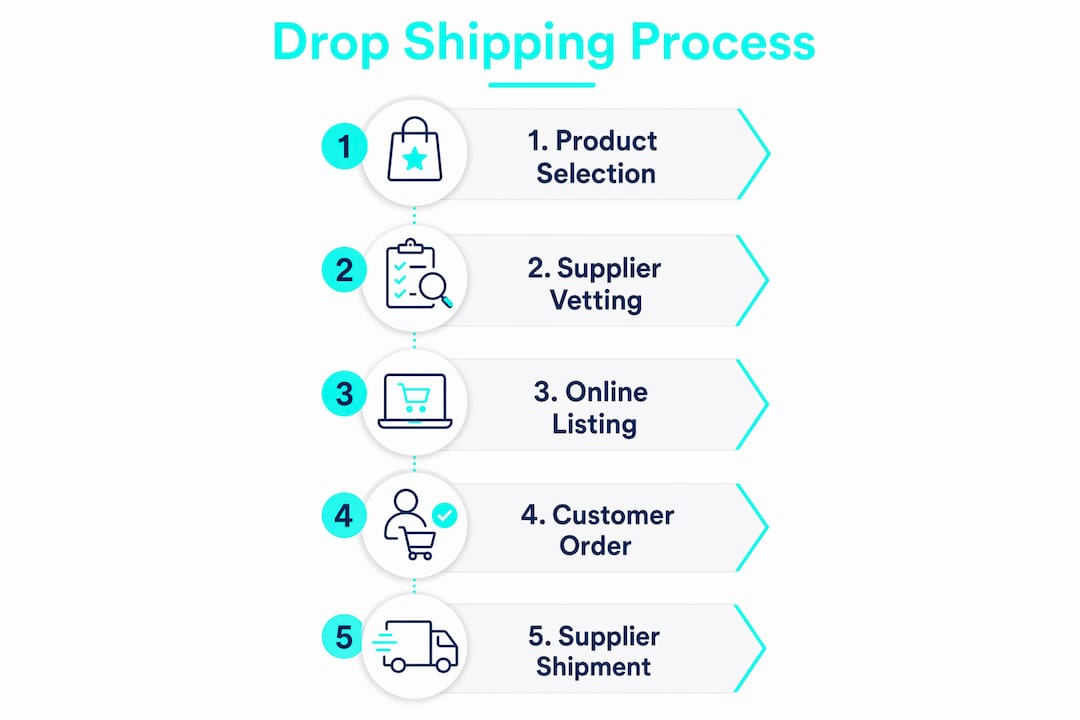
Drop shipping medical supplies is a low-inventory business model where the seller acts as the storefront and the supplier acts as the warehouse and shipping department. The seller lists products, collects payment, and forwards the order to the supplier. The supplier packs and ships directly to the customer under the seller’s name or a neutral label.
This structure reduces startup capital requirements significantly versus traditional wholesale models. A traditional medical supply distributor needs to purchase inventory in bulk, rent storage space, and manage expiration dates. A drop shipper avoids all three.
The model works best when the seller focuses on product curation, marketing, and customer service. The supplier handles physical logistics. That division of labor sounds clean, but it creates a critical blind spot: the seller still owns the customer relationship and, in many cases, the compliance responsibility. That distinction matters enormously in healthcare.

What products are suitable for a medical supply drop shipping business?
The most profitable and lowest-risk products for medical drop shipping are recurring consumables like nitrile gloves, surgical masks, pill organizers, compression socks, and wound care basics. These items have consistent demand, no prescription requirement, and straightforward shipping logistics.
Products to approach with caution include:
Prescription devices or controlled medical equipment that require licensing to sell
Invasive instruments such as surgical tools intended for clinical use without proper buyer verification
Temperature-sensitive items like certain diagnostics or biologics that require cold-chain logistics
Durable medical equipment (DME) billed to Medicare or Medicaid, which triggers DMEPOS accreditation requirements
Practical home care products perform especially well in this model. Items like BP cuff barrier sleeves, examination gloves, and basic wound care supplies generate repeat purchases. Repeat buyers lower your customer acquisition cost over time, which is where the real margin lives.
Domestic shipping for these products typically runs 5–14 business days depending on supplier warehouse location. International timelines vary widely and depend on customs handling for medical goods.
Pro Tip: Start your catalog with three to five high-demand consumables before expanding. Depth of knowledge on a small product set builds customer trust faster than a sprawling catalog you cannot fully support.
What legal and compliance responsibilities apply to drop shipping medical products?
Compliance is the single biggest differentiator between medical supply drop shipping and every other ecommerce niche. The billing entity holds DMEPOS accreditation responsibility, not the supplier. If you bill Medicare or Medicaid for any product, you are the billing entity, and accreditation falls on you.
This creates a common and costly misconception. Many new entrepreneurs assume that because the supplier ships the product, the supplier also holds the compliance burden. That is incorrect. Dropshipping does not provide a compliance shield. The seller must maintain audit-ready delivery documentation, including delivery confirmation records, even when fulfillment is fully outsourced.
Key compliance responsibilities for drop shipping sellers include:
DMEPOS accreditation if billing government payers for durable medical equipment
Delivery confirmation records for every order that could be subject to audit
PDAC product approval verification at the SKU level for items billed under specific HCPCS codes
Accurate product descriptions that do not overstate clinical claims or intended use
Return and refund documentation that meets both state and federal consumer protection standards
The retail medical compliance requirements for 2026 have become more specific, particularly around documentation trails. Sellers who treat compliance as a back-office afterthought face recoupment exposure if audited.
Pro Tip: Before listing any product you plan to bill to a government payer, confirm its PDAC approval status directly on the CMS PDAC website. One non-approved SKU can trigger a full audit of your billing history.
How do you vet and select reliable suppliers for medical drop shipping?
Supplier vetting is where most new medical drop shipping businesses either build a strong foundation or create a future liability. Failure to verify supplier compliance is the leading cause of audit failures and product quality complaints down the line.
A reliable vetting process follows these steps:
Verify FDA registration or CE marking for every product category the supplier offers. Ask for documentation, not just verbal assurance.
Request quality control records including batch testing results, expiration date management practices, and recall history.
Confirm PDAC or relevant product-level approvals for any item you intend to bill under a specific code.
Review shipping and return policies in writing, including how the supplier handles damaged goods, lost shipments, and temperature-sensitive products.
Test the fulfillment process by placing a sample order before committing to a supplier relationship. Verify packaging quality, labeling accuracy, and delivery time.
Use a structured vendor comparison checklist to score each supplier across these dimensions before making a final decision.
White-label fulfillment is worth requesting from any supplier you plan to work with long-term. White-label drop shipping lets you ship products under your own brand, which builds customer recognition and protects your business if you ever switch suppliers. It also signals that the supplier has the operational sophistication to support a professional retail operation.
Evaluation Criterion | What to verify |
Regulatory approval | FDA registration, CE marking, or equivalent |
Quality documentation | Batch records, testing certificates, recall history |
Product-level approval | PDAC status for Medicare-billable items |
Logistics capability | Shipping times, cold-chain handling, return process |
Branding support | White-label or neutral packaging availability |
Pro Tip: Ask every supplier candidate for three client references in your product category. A supplier unwilling to provide references is a supplier with something to hide.
What operational challenges exist in drop shipping medical supplies?
The operational side of a medical supply drop shipping business requires more discipline than most ecommerce categories. Customer trust in medical products depends on product transparency and clear return policies more than in any other retail segment. A vague product description or an unclear refund process will cost you customers permanently.
Practical operational priorities include:
Accurate product descriptions that match the supplier’s documentation exactly, with no inflated clinical claims
Clear return and exchange policies posted prominently, covering defective items and shipping damage
Delivery tracking for every order, with proactive communication if delays occur
Audit-ready records maintained from day one, including order confirmations, delivery receipts, and supplier invoices
Carrier verification for any product with special handling requirements, such as sterile packaging or temperature sensitivity
B2B sales represent a significant growth channel that many drop shipping entrepreneurs overlook. Blending ecommerce with offline B2B outreach through cold calls, printed catalogs, and free sample distribution to clinics and therapy centers is a proven method for winning bulk contracts. A clinic that receives a sample of your nitrile gloves and verifies quality firsthand is far more likely to place a recurring order than one that only sees a product photo online.
Shipping delays are the most common customer complaint in this model. Set realistic delivery expectations at checkout, and build supplier delay clauses into your supplier agreements from the start.
Key Takeaways
Medical supply drop shipping succeeds when sellers treat compliance and supplier vetting as core business functions, not optional extras.
Point | Details |
Compliance stays with the seller | DMEPOS accreditation and audit records are the billing entity’s responsibility, not the supplier’s. |
Start with consumables | Low-risk, repeat-purchase items like gloves and masks reduce regulatory exposure and build steady revenue. |
Vet suppliers thoroughly | Verify FDA approval, quality records, and PDAC status before listing any product. |
Build trust through transparency | Clear product descriptions and return policies are the foundation of customer retention in healthcare ecommerce. |
Combine online and offline sales | B2B outreach to clinics and health providers accelerates bulk contract growth beyond what ecommerce alone can deliver. |
The compliance gap most entrepreneurs miss
The medical supply drop shipping space attracts entrepreneurs precisely because the entry barrier looks low. No warehouse. No bulk inventory. No upfront product risk. That picture is accurate as far as it goes, but it stops short of the part that actually determines whether a business survives its first audit.
What I have seen repeatedly is that new sellers focus all their energy on the storefront and almost none on the documentation trail behind it. They assume the supplier’s FDA registration covers them. It does not. They assume that because they never touched the product, they cannot be held responsible for delivery failures. They can be. The billing entity owns the compliance record, full stop.
The entrepreneurs who build durable businesses in this space treat their supplier relationships like vendor contracts, not informal arrangements. They request documentation, test fulfillment, and build audit files from the first order. That discipline feels excessive in month one. It feels like foresight in year three.
Medical drop shipping is genuinely viable for entrepreneurs who respect what makes healthcare different from other ecommerce categories. The margin is real. The demand is consistent. But the compliance layer is not optional, and the suppliers who tell you otherwise are the ones to avoid.
— QB
Queenssurgical products worth adding to your drop shipping catalog
Entrepreneurs building a medical supply drop shipping catalog need products that are reliable, clearly documented, and suited to professional buyers.
Queenssurgical offers a catalog built for exactly that standard. The nitrile examination gloves are a high-demand consumable that fits naturally into any healthcare-focused storefront, with consistent quality that supports repeat purchasing. For sellers targeting clinical or surgical clients, sterile surgical blades and precision instruments meet the documentation and safety expectations of professional buyers. Queenssurgical’s B2B and B2C capabilities make it a practical sourcing partner for drop shipping entrepreneurs who need both product quality and purchasing flexibility across the Americas.
FAQ
What is medical drop shipping in simple terms?
Medical drop shipping is an ecommerce model where you sell healthcare products online and your supplier ships directly to the customer. You never hold inventory, which lowers startup costs significantly.
Do drop shipping sellers need DMEPOS accreditation?
The billing entity needs DMEPOS accreditation if billing Medicare or Medicaid for durable medical equipment. Outsourcing fulfillment to a supplier does not transfer that accreditation requirement.
What medical products are best for drop shipping beginners?
Lower-risk consumables like nitrile gloves, surgical masks, compression wear, and pill organizers are the best starting point. These items have consistent demand, no prescription requirement, and straightforward shipping logistics.
How do I vet a medical supply drop shipping supplier?
Verify FDA registration or CE marking, request quality control documentation, confirm PDAC approval for any Medicare-billable items, and place a test order before committing. A structured vendor checklist makes this process repeatable.
How long does shipping take for drop shipped medical supplies?
Domestic shipping for medical consumables typically runs 5–14 business days depending on the supplier’s warehouse location. International timelines vary based on customs handling requirements for medical goods.
Recommended
Comments