Wellness Products for Clinical Settings: 2026 Guide
- Qubit Technology
- Jul 13
- 8 min read

Wellness products for clinical settings are defined as therapeutic devices, environmental tools, and patient comfort resources that meet clinical-grade standards for shared use, safety certification, and workflow integration. These differ fundamentally from consumer wellness devices by FDA classification and intended therapeutic purpose. A fitness tracker is a wellness device. A Class II FDA-cleared PEMF system is a clinical wellness solution. Clinics in 2026 are adopting modalities like pulsed electromagnetic field therapy, vibroacoustic beds, cold plasma systems, and functional atmosphere design to improve patient outcomes and reduce care delivery costs. The right products combine clinical-grade durability, shared-use efficiency, and direct integration into existing care workflows.
1. What are the most effective wellness products for clinical settings?
Clinical wellness solutions fall into three broad categories: active therapeutic devices, sensory environment systems, and digital monitoring tools. Each category serves a distinct clinical function and carries different procurement, maintenance, and regulatory requirements. Matching the right category to your patient population is the first decision you need to make.
Active therapeutic devices include PEMF systems, vibroacoustic therapy beds, and cold plasma platforms. These require FDA clearance, staff training, and defined cleaning protocols. Sensory environment systems include cold-air diffusion scent platforms and sound-based ambient tools that reduce patient anxiety without physical contact. Digital monitoring tools connect wellness data to EHR platforms, giving clinicians visibility into patient progress without adding charting burden.
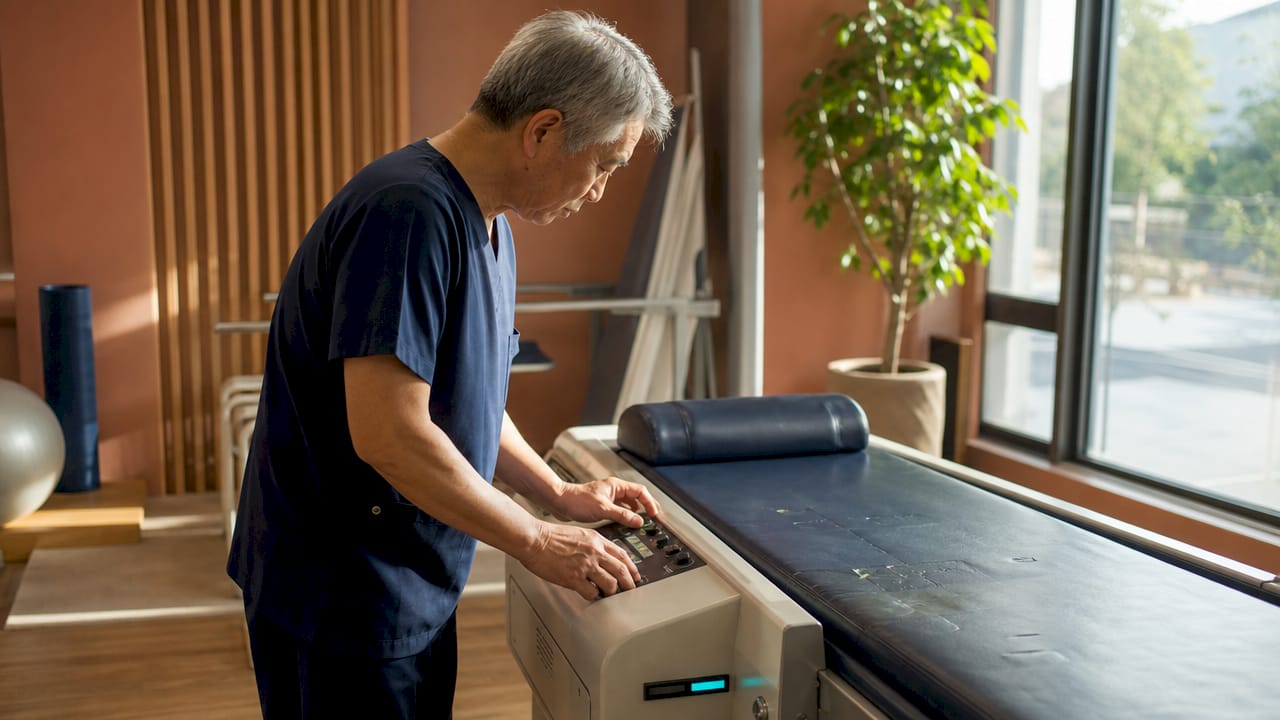
Pro Tip: Before purchasing any active therapeutic device, verify its FDA classification. Class II clearance means the device has demonstrated substantial equivalence to a legally marketed predicate device. That distinction matters for liability, billing, and clinical credibility.
2. Shared-use PEMF systems and their operational value
Pulsed electromagnetic field therapy is one of the fastest-growing therapeutic products for clinics because it delivers measurable patient benefits at a low per-session cost. Shared-use models make the economics work for most clinical environments.
Systems like BlueVibe use dual 40Hz PEMF combined with blue light therapy. A 10-device system costs approximately $1.60 per day in operational expenses while supporting 20 to 40 patients daily. That cost-per-patient figure is difficult to match with any single-patient device model. Studies on participants aged 55–79 reported no adverse effects, which matters for clinics serving older adult populations.
Clinical-tier PEMF devices like AuraWave start at approximately $12,160 and include FDA Class II clearance, staff training modules, and immediate patient-perceived therapeutic effects. That price point reflects the device’s capacity for all-day, high-intensity clinical use rather than occasional home application. The training component is not optional. Staff who understand the device’s mechanism deliver better patient experiences and reduce misuse risk.
The key operational advantage of shared-use PEMF systems is that hardware must endure repeated harsh sanitization without losing surface integrity or function. Consumer-grade devices fail this test quickly. Clinical procurement teams should request sanitization protocol documentation from any vendor before purchase.
3. Cold plasma systems for tissue-level therapeutic applications
The MIRARI Cold Plasma System represents a distinct category of clinical wellness device. It is an FDA 510(k)-cleared handheld platform that uses ionized gas to deliver therapeutic effects at the tissue level. Each consumable plasma array supports approximately 80 treatments of 15 minutes each. The device is battery-powered with USB-C charging and maintains skin temperature at or below 45°C through built-in thermal regulation.
IEC compliance means the device meets international electrical safety standards for medical equipment. That certification is non-negotiable for any device making direct patient contact in a licensed clinical facility. Clinics should track consumable usage per array to manage replacement costs accurately. A medical equipment maintenance schedule that includes consumable replacement intervals prevents unexpected supply gaps.
Cold plasma therapy is particularly relevant for wound care clinics, dermatology practices, and integrative medicine centers. The handheld form factor allows precise application without requiring dedicated treatment rooms or specialized infrastructure.
4. How sensory environment products enhance patient experience
Functional Atmosphere Design using cold-air diffusion transforms stressful clinical spaces into emotionally calming environments. This approach benefits both patients and clinical staff. The mechanism is straightforward: micro-dispersed aromatherapy delivered without heat or humidity neutralizes chemical odors common in clinical spaces and replaces them with targeted scent profiles that reduce anxiety.
Cold-air diffusion systems protect sensitive clinical equipment because they add no moisture to the air. That distinction separates them from ultrasonic or steam-based consumer diffusers, which are inappropriate for clinical environments. The scent profiles you select should vary by clinical zone.
Waiting areas: Lavender or citrus profiles reduce pre-appointment anxiety and create a positive first impression.
Procedure rooms: Neutral or very light profiles prevent sensory overload during treatment.
Administrative spaces: Mild energizing profiles like peppermint support staff focus without overwhelming patients passing through.
Recovery areas: Chamomile or eucalyptus profiles support relaxation and reduce perceived pain intensity.
Pro Tip: Always consult your infection control officer before installing any scent system. Some patients have chemical sensitivities, and certain scent compounds interact with HVAC filtration systems in ways that affect air quality compliance.
Sensory wellness products require coordination with HVAC and infection control protocols to avoid triggering patient sensitivities or contaminating sterile zones. This is not a minor installation detail. Environmental flow and output balance determine whether a scent system enhances the clinical environment or creates a compliance problem.
5. Operational and infection control factors for clinical wellness adoption
Wellness devices used in clinical environments must withstand frequent cleaning with harsh disinfectants. Industrial-grade sealed surfaces that tolerate quaternary ammonium compounds and hydrogen peroxide protocols are the baseline requirement. Any device that degrades under standard clinical cleaning cycles creates both a safety risk and a replacement cost that erodes the original procurement value.
Key operational factors to evaluate before purchasing any clinical wellness device:
FDA clearance level: Class II clearance for active therapeutic devices is the minimum standard for clinical use.
IEC electrical safety compliance: Required for any device making patient contact or operating in clinical electrical environments.
Cleaning protocol documentation: Vendors must provide written protocols specifying which disinfectants the device can withstand and at what frequency.
Shared-use capacity: Devices should support multiple daily patient sessions without performance degradation or extended downtime.
EHR integration capability: Platforms that connect to existing clinical workflows reduce cognitive load on clinicians and improve adoption rates.
Wellness initiatives that integrate into EHR workflows reduce clinician cognitive overload and promote adoption by embedding digital monitoring directly into care pathways. A wellness device that generates data no one can access inside their clinical chart is a device that gets used inconsistently. Consistent use is what produces measurable patient outcomes.
Evaluation Factor | Clinical Standard |
Regulatory clearance | FDA Class II minimum for active therapeutic devices |
Electrical safety | IEC-compliant for patient-contact devices |
Sanitization tolerance | Quaternary ammonium and hydrogen peroxide rated |
Shared-use capacity | 20+ patient sessions per day without downtime |
Workflow integration | EHR-compatible data output |
6. How to choose the right wellness tools for your clinical environment
Matching healthcare wellness items to your specific clinical context requires three parallel assessments: patient population needs, spatial constraints, and total cost of ownership. Administrators who skip any one of these assessments typically end up with devices that are clinically appropriate but operationally impractical.
Patient population: Older adults benefit most from low-intensity shared-use PEMF systems and sensory calming environments. Patients with acute pain or wound care needs are better served by targeted devices like cold plasma systems. Pediatric populations require sensory modulation tools with lower intensity settings and child-appropriate scent profiles.
Space and infrastructure: Vibroacoustic therapy beds require dedicated floor space and acoustic isolation. Cold plasma handhelds require only a charging station. Scent diffusion systems require HVAC compatibility assessment before installation.
Budget and total cost of ownership: The purchase price is rarely the largest cost. Consumables, staff training, maintenance contracts, and replacement cycles determine the real cost per patient session. Wholesale purchasing models reduce per-unit costs significantly for multi-device deployments.
Shared versus individual use: Shared-use devices deliver better cost efficiency in high-volume clinics. Individual-use devices are appropriate for specialized treatment protocols where cross-contamination risk is higher.
Consumer-grade wearable health monitors should never replace clinical-grade diagnostic tools. Clinical wellness products function as supportive, not diagnostic, instruments. That distinction protects your clinic from liability and sets accurate patient expectations from the first session.
Key takeaways
The most effective clinical wellness solutions combine FDA-cleared therapeutic technology, shared-use durability, and direct EHR integration to deliver measurable patient benefits at a manageable operational cost.
Point | Details |
Clinical-grade distinction matters | FDA Class II clearance separates therapeutic devices from consumer wellness products. |
Shared-use economics are compelling | A 10-device PEMF system can serve 20–40 patients daily at roughly $1.60 in daily operational cost. |
Sensory design is a clinical tool | Cold-air diffusion scent systems reduce patient anxiety without adding infection control risk. |
EHR integration drives adoption | Wellness devices connected to clinical workflows get used consistently; standalone devices do not. |
Total cost of ownership decides value | Consumables, training, and maintenance costs matter more than purchase price over a 3-year cycle. |
What I’ve learned from watching clinics adopt wellness technology
Most clinics I’ve observed make the same mistake: they purchase a wellness device based on a compelling vendor demo and then discover the device doesn’t fit their actual workflow. The device ends up in a storage room within six months. The problem is almost never the technology itself.
Integrating wellness product data into EHR workflows is the single factor that determines whether a clinical wellness program succeeds or quietly disappears. Clinicians adopt tools that live inside their existing systems. They ignore tools that require a separate login, a separate chart, or a separate conversation with the patient.
The gap between consumer wellness products and clinical-grade solutions is also wider than most administrators realize. A device that works beautifully in a spa environment will fail in a clinical setting within weeks if it can’t survive daily disinfection. I’ve seen this happen with sound therapy devices, scent systems, and even massage chairs that weren’t rated for clinical cleaning protocols.
My honest recommendation: start with one device category, run it for 90 days with a defined patient cohort, and measure outcomes before expanding. The clinics that build sustainable wellness programs do it incrementally. The ones that buy six device types at once usually end up with six underused devices and no clear data on what actually helped their patients.
— QB
Queenssurgical’s catalog for clinical wellness and medical supplies
Queenssurgical supplies clinics, hospitals, and healthcare facilities across the Americas with medical-grade equipment and wellness tools that meet clinical procurement standards. The platform offers both wholesale and retail purchasing, which means multi-device deployments cost significantly less per unit than single-device orders.
Clinic administrators can browse Queenssurgical’s full product catalog to find therapeutic aids, medical supplies, and wellness equipment suited to diverse clinical environments. The catalog includes products that meet FDA and IEC standards, with supply reliability built for high-volume clinical purchasing. For facilities managing hygiene protocols alongside wellness programs, nitrile examination gloves and other essential consumables are available in bulk quantities at competitive pricing.
FAQ
What makes a wellness product suitable for clinical use?
A clinical wellness product must carry FDA clearance appropriate to its therapeutic function and withstand clinical-grade disinfection protocols. Consumer wellness devices lack these certifications and are not appropriate for patient-facing clinical applications.
How do PEMF devices differ from consumer wellness wearables?
Clinical PEMF devices carry FDA Class II clearance, support multiple daily patient sessions, and include staff training. Consumer wearables are not cleared for therapeutic interventions and should never be used as substitutes for clinical-grade equipment.
Can scent diffusion systems be used in sterile clinical zones?
Cold-air diffusion systems can be used in most clinical zones, but sterile environments require coordination with infection control and HVAC teams. Output levels and scent compounds must be assessed for compatibility with filtration systems before installation.
What is the typical operational cost of a shared-use clinical wellness device?
A 10-device PEMF system like BlueVibe operates at approximately $1.60 per day for the entire system while supporting 20 to 40 patient sessions daily. That figure covers energy and basic operational costs, not consumables or maintenance contracts.
How does EHR integration affect wellness device adoption in clinics?
Wellness devices that connect to existing EHR workflows are adopted consistently because clinicians can prescribe, monitor, and document within their standard charts. Standalone devices that require separate systems are used inconsistently and rarely generate trackable patient outcome data.
Recommended
Comments