Respirator Shelf Life Often 5 Years: What Safety Managers Must Verify
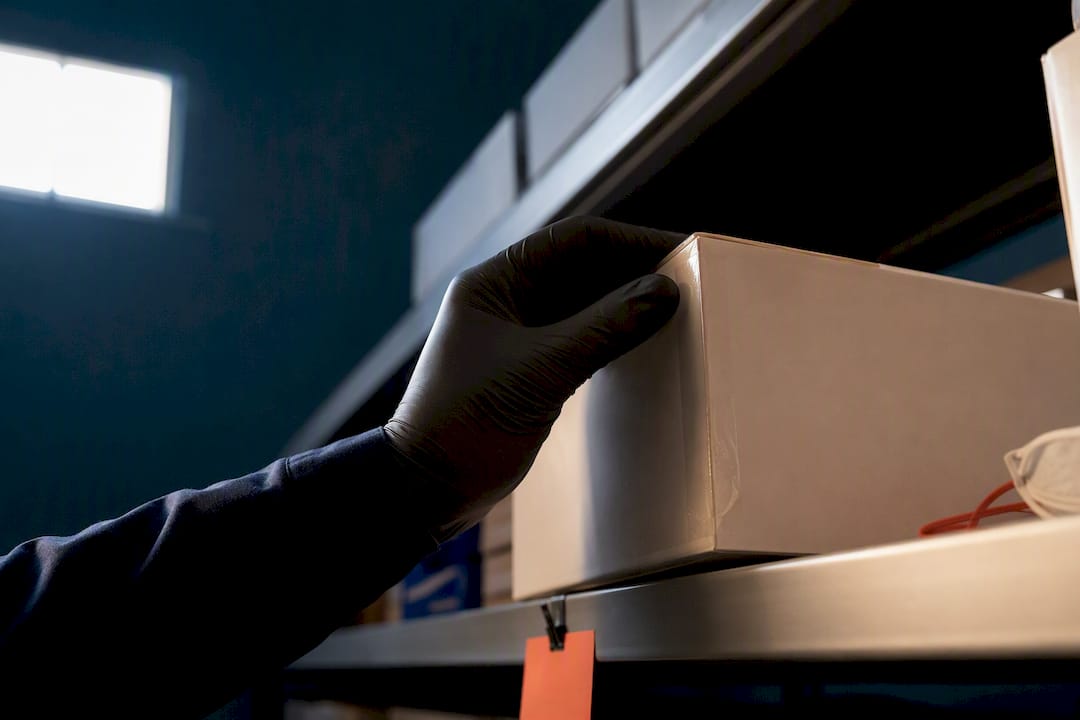
Yes, most disposable respirators carry a manufacturer-designated shelf life, often several years, and that date is not a suggestion. Check the packaging first. If your stock is past its printed use-by date, it is not NIOSH-approved for occupational use under OSHA’s respiratory protection standard, with narrow exceptions during declared public health emergencies. No date printed? Contact the manufacturer before you issue that box to staff.
TL;DR:
Most disposable respirators have a manufacturer-printed shelf life of several years, which is a NIOSH approval condition critical for OSHA compliance.
Storage conditions such as temperature, humidity, and exposure to UV or chemicals directly impact the respirator’s actual usable life beyond the printed date.
Visual, odor, and seal inspections, along with proper seal checks, are essential before using any stockpiled or expired respirator to ensure functionality.
FIFO inventory management, clear labeling, and regular sampling prevent stockpiles from aging past their shelf life and ensure readiness during emergencies.
For respirators without a printed expiration date, contact the manufacturer with model and lot numbers and document the inquiry for future reference.
Table of Contents
Respirator Shelf Life vs Service Life: What’s the Real Difference
What Storage Conditions Actually Extend a Respirator’s Life?
How Do You Inspect Stockpiled or Expired Respirators Before Use?
How Should Procurement Manage Respirator Inventory Rotation?
Do Reusable Respirators and Cartridges Follow the Same Rules?
Procurement Mistakes That Quietly Undermine Respirator Readiness
Where to Source NIOSH-Approved Respirators and Manage Your Stockpile
Respirator Shelf Life vs Service Life: What’s the Real Difference
Shelf life is how long a sealed, unused respirator stays viable in storage. Service life (sometimes called use life) is how long that same respirator performs once it’s actually on someone’s face, breathing contaminated air. They are not the same number, and mixing them up is one of the most common procurement errors.
NIOSH does not set one universal shelf life for filtering facepiece respirators (FFRs). Instead, when a manufacturer assigns a shelf life, that date becomes a condition tied to the NIOSH approval itself, which is what makes it an OSHA compliance issue, not just a housekeeping detail. Many N95 models typically have a shelf life set by manufacturers that commonly lasts several years. Some filters with ozone or acid-gas relief features may have shorter shelf lives of a few years.
The performance data is more forgiving than the regulatory line. A peer-reviewed study testing 21 N95 models stored six to ten years found 19 of them still held average penetration under 5% after warehouse-style storage. NIOSH’s own stockpile sampling found most units aged several years still met performance requirements. So filtration often survives. What doesn’t always survive:
Elastic headbands losing tension and failing to hold a seal
Nose foam compressing, cracking, or separating from the shell
Staples and metal nose clips corroding in humid storage
Packaging seals breaking down, exposing the respirator to airborne contaminants
That gap between “still filters fine in a lab” and “still forms a seal on a real face” is exactly why the printed shelf-life date, not lab performance data, governs occupational compliance outside an emergency.
Where Do You Find the Respirator Expiration Date?
Look for an hourglass icon on the box, often paired with a date format like YYYY-MM-DD or MM/YYYY. Manufacturers print this near the model number, not always in the same spot, so check three places before assuming there’s no date at all.
The primary respirator box (the small unit box that holds individual masks)
The shipper case (the larger case may carry a separate lot code or date)
The instructions for use (IFU) insert, which sometimes states the shelf life in text rather than an icon
You’ll also see an approval number formatted like TC-84A-XXXX. That’s the NIOSH approval number, and it matters because it lets you cross-check the model against the NIOSH Certified Equipment List if anything about the labeling looks off or inconsistent with what you ordered.
If no date appears anywhere, don’t guess. Contact the manufacturer directly with the model number, lot number, and approval number, and log that inquiry in your procurement records. That paper trail matters if a compliance officer or auditor ever asks why a lot without a printed date made it into active rotation.
Pro Tip: Photograph the box, IFU, and any date code the moment a shipment arrives. Warehouse staff peel or discard outer packaging constantly, and that photo may be your only record once the shipper case is gone.

What Storage Conditions Actually Extend a Respirator’s Life?
Storage conditions are the single biggest variable inside a manufacturer’s control that safety managers can also control. Get this wrong and you can shave years off a respirator’s usable life regardless of what the box says.
Keep respirators in original, unopened packaging, away from direct sunlight and UV exposure, and out of rooms with chemical fumes or heavy dust. 3M’s storage guidance for many healthcare particulate respirators recommends a temperature range of -4°F to +86°F (-20°C to +30°C) with relative humidity kept under 80%. Outside that window, materials degrade faster than the printed date assumes.
Environmental threats that shorten usable life:
Heat cycling (loading docks, uninsulated storage sheds, cars) breaks down elastic and foam faster than steady room temperature
High humidity promotes mold growth and corrodes metal nose clips
UV exposure, even through a window, degrades filter media and strap elasticity
Chemical vapors from nearby cleaning supplies or solvents can be absorbed by filter material
For inventory teams managing hundreds or thousands of units, this means a climate-controlled storage room, labeled shelving by lot and date, and a simple rotation label system beat a generic supply closet every time. A medical equipment storage checklist built around these thresholds turns a vague “keep it dry and cool” instruction into something a warehouse team can actually audit.
How Do You Inspect Stockpiled or Expired Respirators Before Use?
Run this checklist before releasing any respirator from storage, whether it’s fresh stock or something pulled from an emergency reserve.
Check packaging integrity. Torn, punctured, or previously opened packaging is a discard, no exceptions.
Smell the respirator. A chemical, musty, or moldy odor means contamination, not just age.
Look for visible mold, dust buildup, or discoloration on the filter media or straps.
Check for deformation in the cup shape, especially crushing or flattening from stacked storage.
Inspect nose foam for cracking, compression, or separation from the shell.
Check staples, metal nose clips, and strap attachment points for corrosion or brittleness.
Perform a user seal check. Put it on, cover the exhalation valve or filter surface, and exhale (or inhale, depending on design). Air leaking around the edges is an automatic discard.
That seal check is not optional. A respirator can pass every visual check and still fail if it can’t hold a seal against a real face, which is why proper donning technique matters just as much as the inspection itself.
Pro Tip: If a lot passes visual inspection but you’re still unsure about filtration performance after years in storage, send a representative sample to an accredited lab for filtration testing rather than releasing or retiring the entire lot on a guess.
How Should Procurement Manage Respirator Inventory Rotation?
FIFO (first in, first out) rotation is the difference between a stockpile that ages gracefully and one that turns into a pile of unusable boxes you discover during an actual emergency.
Track every lot by manufacture date and receipt date, not just by model number
Set reorder triggers well before your oldest lots approach their printed shelf-life date
Schedule periodic sampling or visual audits on stockpiled reserves, not just active-use stock
Keep fit-testing on in-date respirators whenever possible; if an expired model must be used for fit-testing, document that limitation and store those units separately from active inventory
Label any repurposed expired stock clearly as “not for occupational use” if it’s kept for training or fit-check demonstrations only
Expired respirators still have legitimate uses outside OSHA-regulated occupational exposure: training exercises, seal-check demonstrations, and general non-occupational activities. The distinction is documentation. A box pulled for training needs a label that keeps a warehouse worker from accidentally issuing it as protective equipment six months later.
Do Reusable Respirators and Cartridges Follow the Same Rules?
No, and this trips up a lot of inventory systems. A reusable facepiece or PAPR hood can have a longer shelf life than the particulate filters or cartridges that attach to it, which often have shorter shelf lives. Track them as separate line items, not as one combined unit.
Label facepieces, filters, and cartridges independently with their own lot numbers and expiration dates
Apply OSHA’s change-schedule guidance when setting cartridge replacement intervals, factoring in breathing rate, contaminant concentration, humidity, and temperature
Build in a conservative safety factor whenever exposure conditions are uncertain or mixed contaminants are present
Write the cartridge install date directly on the cartridge with a permanent marker, not just in a spreadsheet
Cartridge service life is genuinely harder to pin down than facepiece shelf life because it depends on how the respirator is actually used, not just how it was stored.
When Can Expired Respirators Be Used in an Emergency?
During COVID-19, the FDA issued Emergency Use Authorizations that allowed limited use of certain NIOSH-approved FFRs beyond their manufacturer-designated shelf life, provided storage conditions could be verified. That was an emergency-only allowance, not a permanent change to the rules.
Outside a declared emergency, the printed shelf-life date remains a condition of NIOSH approval, and using expired respirators for occupational protection is not OSHA-compliant. If your organization is genuinely facing a shortage and considering expired stock:
Document the storage history for that lot, including location, temperature, and humidity records where available
Run the full visual inspection and seal-check process on a representative sample before wider release
Send samples for lab filtration testing if time and resources allow
Train users on the added uncertainty around fit and filtration for aged stock
Update your written respirator program to document the justification, the inspection results, and the emergency conditions that triggered the exception
Procurement Mistakes That Quietly Undermine Respirator Readiness
The biggest failure point isn’t a bad respirator. It’s a good respirator stored badly and tracked worse. Overbuying without a rotation plan is the classic mistake: a facility stocks up during a scare, forgets about the boxes in the back of a storage room, and discovers three years later that half the reserve is past its date with no documentation of how it was stored.
Poor labeling compounds it. If lot numbers and manufacture dates aren’t visible on the shelf, nobody rotates stock correctly, and FIFO becomes theoretical rather than practiced. Ignoring the manufacturer’s IFU on storage conditions, treating a climate-controlled requirement as a suggestion, is the third recurring error.
The fix is not complicated: lot labeling, FIFO shelving rules, and a fixed annual sampling or inspection schedule. Facilities that treat those three habits as non-negotiable rarely get caught with unusable stock when it matters. A structured inventory rotation process built for other categories of safety equipment translates directly to respirator stockpiles.
— QB
Where to Source NIOSH-Approved Respirators and Manage Your Stockpile
They stock NIOSH-approved respirators alongside labeling accessories and storage racks that help maintain a rotation system.

Getting the respirator right is only half the job. Keeping it tracked, dated, and rotated is what actually prevents an expired lot from ending up on someone’s face during an emergency. Queenssurgical’s medical supply expiration management playbook walks procurement teams through lot labeling, FIFO shelving, and sampling schedules built for exactly this problem. Browse current respirator stock and inventory accessories, or request a quote for a facility-wide procurement plan built around your storage capacity and turnover rate.
Where to Verify Model-Specific Shelf-Life Information
For model-specific or regulatory questions, check the NIOSH stockpile bulletin, OSHA’s change-schedule tool, and manufacturer FAQs directly.
This article is general information, not a substitute for advice from a qualified doctor. Consult a qualified healthcare professional about your own circumstances before acting on anything here.
Sources
FAQ
Do Respirators Have an Expiration Date?
Most disposable N95 respirators carry a manufacturer-designated shelf life printed on the packaging, commonly five years, though some specialized filters with ozone or acid-gas protection expire in two to three years.
Can I Use a Respirator That Expired a Year Ago?
For occupational protection under OSHA’s standard, no; the manufacturer’s shelf-life date is a condition of NIOSH approval, and using an expired unit is not compliant outside a declared emergency with documented justification.
Do N95 Masks Actually Expire?
They do have a printed shelf-life date, but filtration performance often survives storage well past that date. One study found 19 of 21 tested N95 models still met performance requirements after six to ten years in storage, so the real risk usually comes from strap and seal degradation rather than filter breakdown.
Do P100 Filters Actually Expire?
Yes, P100 filters and cartridges carry their own shelf life separate from the facepiece they attach to, and manufacturers typically rate them shorter than the reusable facepiece itself, varying depending on the model.
What Should I Do If a Respirator Has No Printed Date?
Contact the manufacturer with the model number, lot number, and NIOSH approval number, then log that inquiry in your procurement records rather than assuming the unit is safe to issue.
Recommended
Comments