Cleaning vs Disinfection vs Sterilization: What to Use When
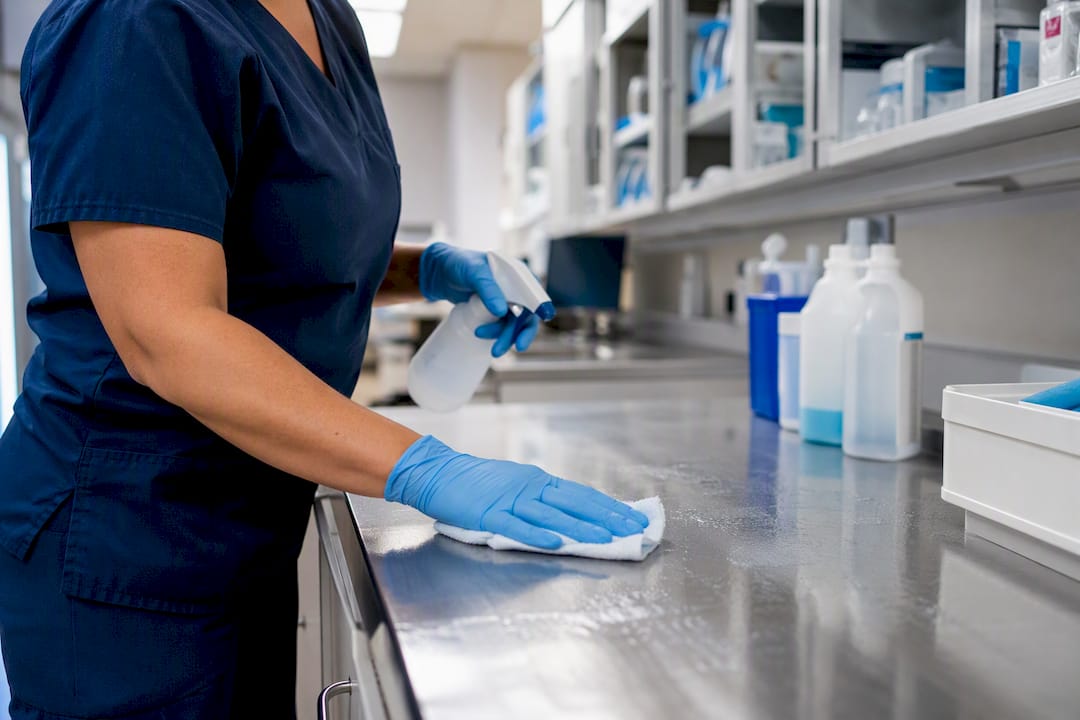
Cleaning removes dirt and germs with soap and water. Disinfection uses an EPA-registered chemical to kill most bacteria and viruses on a surface. Sterilization destroys every microbe, including spores, and usually requires heat, gas, or pressure. The rule that ties them together is to clean before you disinfect, because leftover grime blocks chemicals from reaching germs at all.
If a surface just looks dirty, wash it with soap and water. Nothing more is needed.
If someone in the house is sick, or you’re prepping a wound-care area, clean first, then apply an EPA-registered disinfectant for the full contact time listed on the label.
Key Takeaways
Cleaning removes soil, disinfection kills most pathogens on surfaces, and sterilization eliminates all microbial life, including spores, and each step depends on the one before it.
Point | Details |
Clean first, always | Soil and grime block disinfectants and sterilants from reaching germs, so skipping this step wastes the product. |
Match the process to the risk | Everyday surfaces need cleaning; sick-household surfaces need disinfecting; surgical tools need sterilization. |
Respect contact time | Wiping a disinfectant off before the labeled dwell time means the surface was never actually disinfected. |
Read the registration, not just the claim | EPA registration numbers back specific pathogen claims; FDA governs sanitizers for skin and medical sterilants. |
Don’t over-disinfect at home | Routine cleaning covers most daily risk; reserve heavier chemicals for illness, contamination, or clinical need. |
Where to Learn More
CDC hygiene guidance for home cleaning and disinfecting basics.
EPA’s disinfectant registry for verified product claims.
The CDC/HICPAC guideline for clinical reprocessing protocols and sterilization validation.
Table of Contents
Cleaning vs Disinfection vs Sterilization: The Core Definitions
Cleaning is physical removal, not killing. Soap, detergent, and water lift dirt, grease, and organic matter off a surface, along with a good share of the germs riding on it. Wiping a countertop or scrubbing a dish counts as cleaning, and it’s the step everything else depends on.
Sanitizing lowers germ counts to a level considered safe by a specific standard, most often in food service. A sanitizing rinse on a cutting board meets a bacterial-reduction benchmark, but it doesn’t promise to kill viruses the way a disinfectant does.
Disinfecting goes further: it uses EPA-registered chemicals designed to inactivate bacteria and viruses on hard surfaces. It only works as tested, though, meaning the product has to sit wet on the surface for the exact time stated on the label.
Sterilization is the only one of the four aiming for zero. It wipes out all microbial life, including bacterial spores, which are notoriously hard to kill. Hospitals reach that bar with:
Steam under pressure (autoclaving)
Dry heat
Ethylene oxide (EtO) gas
Hydrogen peroxide gas plasma
A surgical instrument that touches sterile tissue has to be sterilized. A kitchen sponge just needs a good cleaning.
Cleaning, Disinfecting, and Sterilizing Compared Side by Side
Line these processes up by what they actually do, and the differences stop feeling academic.
Cleaning removes soil and organic matter but makes no kill claims at all.
Sanitizing reduces bacteria to a safe threshold, usually for food-contact surfaces.
Disinfecting kills or inactivates a defined list of bacteria and viruses, given the correct contact time.
Sterilizing destroys everything, including spores that survive lower-level methods.
Disinfection itself has tiers. Low-level disinfectants handle most everyday bacteria. Intermediate-level products add mycobacteria and many viruses to the list. High-level disinfection gets close to sterilization but still may not kill every spore unless the same chemical is used as a full sterilant, at higher concentration or longer exposure.
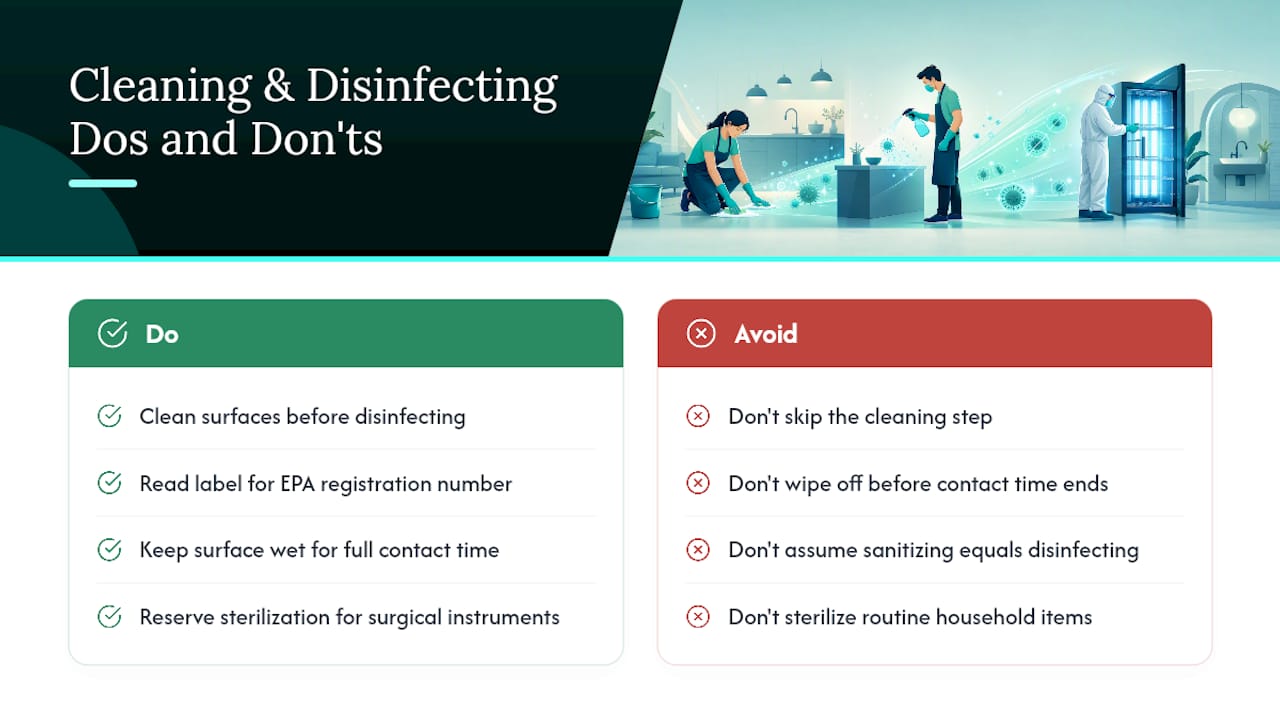
Pro Tip: Check the label for two things: the exact organisms the product claims to kill, and the required contact time. Wiping a “disinfectant” off after 10 seconds when the label demands 4 minutes means you’ve only cleaned the surface, not disinfected it. This is the single most common mistake people make with these products.
Common Cleaning Methods and Sterilization Technologies
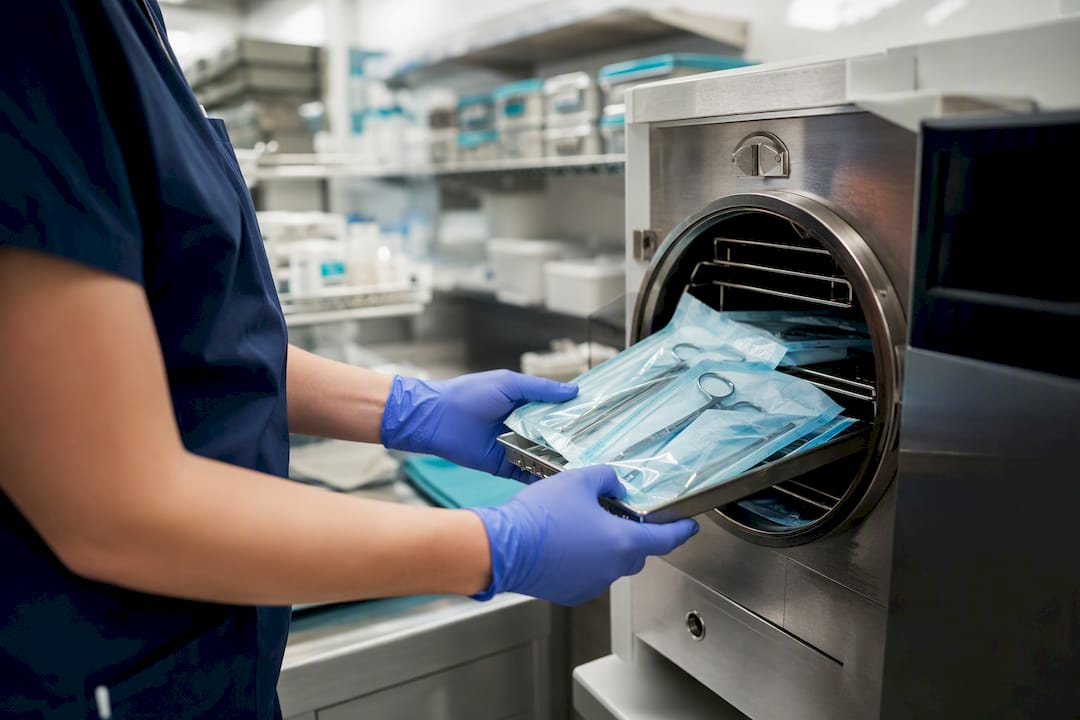
At home, your toolkit is short. Soap and detergent handle daily grime. Alcohol wipes and solutions disinfect small areas fast but evaporate quickly, which shortens contact time. Diluted bleach solutions are cheap and effective disinfectants but degrade surfaces like aluminum and some fabrics with repeated use. Dishwashers sanitize dishes through hot water and detergent cycles. UV devices can reduce germ counts on some surfaces but perform inconsistently on shadowed or textured areas, so they shouldn’t replace physical cleaning.
Clinical settings run on a wider set of tools:
Liquid chemical disinfectants — alcohols, quaternary ammonium compounds, phenolics, chlorine-based agents — for surfaces and semicritical devices.
Autoclaving — steam under pressure, the workhorse for reusable metal instruments.
Dry heat — for items that steam would damage.
EtO gas — for heat-sensitive plastics and electronics.
Hydrogen peroxide gas plasma — a faster, low-temperature alternative to EtO for sensitive equipment.
Material compatibility isn’t optional. Bleach pits stainless steel over time. Alcohol clouds some plastics. Harsh chemicals degrade rubber seals on scopes. Manufacturer instructions exist for a reason, and skipping them shortens the life of instruments you’ve probably paid a lot for. Stainless tools built for repeated autoclave cycles, like a set of sterilizer-compatible forceps, are engineered specifically to survive that stress.
When Do You Need Cleaning, Disinfecting, or Sterilizing?
Everyday home surfaces (doorknobs, light switches): clean regularly; disinfect only if someone nearby is sick.
Food-contact surfaces: clean, then sanitize per label instructions.
After a known illness in the household: clean first, then disinfect high-touch surfaces with an EPA-registered product.
After vomit, blood, or feces: clean thoroughly, then disinfect. These bodily fluids carry a higher pathogen load.
Noncritical clinical items (blood pressure cuffs, stethoscopes): low-level disinfection between patients.
Semicritical devices (endoscopes, some respiratory equipment): high-level disinfection, following HICPAC guideline thresholds for contact-mucous-membrane risk.
Critical devices (surgical instruments entering sterile tissue): full sterilization, no exceptions.
A kitchen counter after raw chicken needs cleaning plus disinfection. A daycare toy usually just needs cleaning and occasional disinfecting. A reusable scalpel needs sterilization. An endoscope sits in a gray zone where facilities sometimes substitute high-level disinfection when sterilization isn’t feasible, but only under a documented risk assessment.
How to Clean and Disinfect Safely at Home
Remove visible soil first. Wipe away crumbs, grease, or debris.
Wash the surface with soap or detergent and water.
Rinse if the next product’s label requires a clean, residue-free surface.
Apply your sanitizer or disinfectant according to the label.
Leave it wet for the full contact time. Don’t wipe early.
Let the surface air dry unless the label specifically says to rinse.
Pro Tip: Open a window or run a fan when using stronger disinfectants. Fumes from bleach and quaternary compounds build up fast in small bathrooms and closed kitchens, and never mix bleach with ammonia or other cleaners — the combination produces toxic gas.
Keep products out of reach of kids, and gloves on for anything stronger than dish soap. If contamination keeps coming back despite disinfecting, or a chemical exposure incident happens, that’s a signal to call in a professional rather than keep applying more product. Items that require true sterilization, like reusable surgical tools, need clinical reprocessing, not a home fix.
Why EPA and FDA Rules Matter on the Label
The EPA regulates surface sanitizers and disinfectants as antimicrobial pesticides, which is why they carry EPA registration numbers and specific tested claims. The FDA, by contrast, oversees hand sanitizers and sterilants used on medical devices. That split explains why a product safe for skin isn’t automatically approved for surfaces, and vice versa.
Before buying, check the label for:
The exact organisms it claims to kill (not just “germs”)
Required contact time
Surface compatibility
Whether rinsing is required afterward
Recommended PPE
An “EPA-registered” claim against a specific virus means that formula was tested against it under controlled conditions.
Products designed and labeled for both household disinfecting and general sanitizing, like a multi-surface disinfectant spray, make label-reading simple because the claims are already spelled out.
A note on overusing chemicals
Cleaning handles most daily risk on its own. Save disinfection for actual contamination, and sterilization for items that demand it. Treating every surface like an operating table wastes money and adds unnecessary chemical exposure.
Frequently Asked Questions
Is sanitizing the same as disinfecting? No. Sanitizing reduces bacteria to a safe level, often for food-contact surfaces, while disinfecting is tested against a broader set of pathogens, including many viruses, and typically requires longer contact time.
Can I skip cleaning and go straight to disinfecting? You shouldn’t. Leftover dirt and organic material shield germs from the disinfecting chemical, so the product underperforms even if you follow every other instruction correctly.
Do I need to sterilize anything at home? Almost never. Sterilization is reserved for items entering sterile body tissue, like surgical instruments. Home cleaning and occasional disinfecting cover normal household risk.
How do I know a disinfectant actually works against viruses? Look for an EPA registration number and check that the label lists the specific virus you’re concerned about. General “kills germs” language without registration details doesn’t carry the same testing behind it.
What’s the biggest mistake people make with disinfectants? Wiping the surface dry before the labeled contact time has passed. If a product needs 4 minutes of wet contact and you wipe it after 30 seconds, you’ve cleaned the surface, not disinfected it.
For clinics stocking barrier products that reduce cross-contamination risk between patients, a disposable BP cuff barrier sleeve or a thumb-loop isolation gown from Queenssurgical fits directly into the noncritical and semicritical infection-control steps covered above, without replacing the cleaning and disinfecting protocol itself.
This article is general information, not a substitute for advice from a qualified doctor. Consult a qualified healthcare professional about your own circumstances before acting on anything here.
Sources
Recommended
Comments